Entrée: China – すき焼き ▶ Sukiyaki (Japanese Hot Pot)
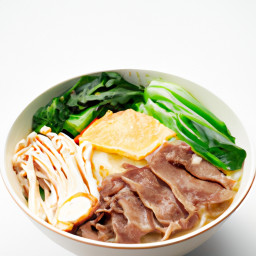
Serving Size: 6
Approximate Time
Prep
25 min
Cook
30 min
Total
55 min
Ingredients
1 lb / 500 g very thinly sliced beef ribeye or sirloin (partially frozen for easier slicing)
7 oz / 200 g firm tofu, cut into 3/4-inch (2 cm) cubes
1 medium onion, thinly sliced
7 oz / 200 g shiitake or other mushrooms, stems removed and caps halved
7 oz / 200 g Chinese cabbage (or napa cabbage), cut into 1 1/4–1 1/2 inch (3–4 cm) pieces
5 oz / 150 g negi (Japanese long green onion) or scallions, cut into 1 1/2–2 inch (4–5 cm) lengths
7 oz / 200 g shirataki noodles (konnyaku noodles), rinsed and briefly boiled, cut into bite-sized lengths
1–2 bunches enoki mushrooms, ends trimmed (optional)
3 1/2 oz / 100 g chrysanthemum greens (shungiku) or spinach (optional)
1/2 cup (120 ml) soy sauce
1/2 cup (120 ml) mirin
1/2 cup (120 ml) sake (or additional mirin + a splash of water if unavailable)
1/4–1/3 cup (60–80 g) granulated sugar (adjust to taste)
2 tbsp (30 ml) sesame oil or neutral oil (for the pot)
4 raw eggs, lightly beaten for dipping (optional and only if consuming raw eggs is safe)
Sesame seeds or chopped scallions for garnish (optional)
Instructions
1. Prepare the warishita (sukiyaki sauce): In a small saucepan combine soy sauce, mirin, sake, and sugar. Warm over low heat and stir until the sugar dissolves. Taste and adjust sweetness or salt to preference. Remove from heat and set aside.
2. Prepare ingredients: Arrange the sliced beef, tofu, mushrooms, cabbage, negi/scallions, shirataki noodles, enoki (if using), and greens on separate plates for easy access. Beat the eggs in small individual bowls if you plan to dip cooked items in raw egg.
3. Heat the sukiyaki pot or a wide, shallow skillet (cast-iron skillet or electric hot plate works well): Add 2 tablespoons of sesame or neutral oil and heat over medium-high until shimmering.
4. Start with aromatics and a little beef: Add a few slices of beef and sear briefly to render some fat and flavor the pan (about 20–30 seconds per side). Push the beef to one side or remove briefly. Add a few onion slices and cook until slightly translucent.
5. Add some warishita: Pour about 120–180 ml (1/2–3/4 cup) of the prepared warishita into the pot so it begins to simmer. You can add more later as ingredients are cooked.
6. Layer vegetables and tofu: Arrange some tofu, cabbage, mushrooms, shirataki, and negi in the pot so they can soak up the simmering sauce. Allow them to simmer for 3–5 minutes until tender.
7. Cook more beef in batches: Add more thin beef slices to the simmering pot, laying them flat so they briefly poach in the sauce. Beef cooks very quickly—typically 30–60 seconds depending on thickness. Remove cooked beef to serving plates or leave in the pot for people to pick up.
8. Continue adding and simmering: Keep adding ingredients in batches—more vegetables, tofu, noodles, and beef—replenishing the warishita as needed so there is always a flavorful simmering broth. Taste the broth occasionally and adjust with a little soy, mirin, or sugar if necessary.
9. Serve family-style: Sukiyaki is traditionally served at the table with the pot kept simmering. Diners take cooked items from the pot and may dip them into beaten raw egg before eating (optional). Provide small bowls for each diner with a bit of raw egg, or serve without if you prefer.
10. Finish and enjoy: As the meal winds down, the remaining broth will be richly flavorful—add leftover rice or udon noodles to the pot to soak up the sauce and finish the meal if desired. Garnish with toasted sesame seeds or extra chopped scallions before serving.
Nutrition Information
To get nutritional information, press the Get Nutrition Info button below.