Entrée: Indonesia – Rendang Daging (Beef Rendang)
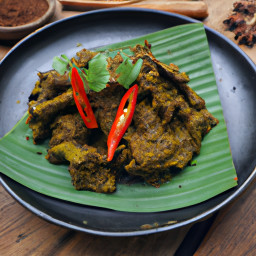
Serving Size: 6
Approximate Time
Prep
30 min
Cook
2 hrs 30 min
Additional
15 min
Total
3 hrs 15 min
Ingredients
2 1 / 4 lb / 1 kg beef chuck or brisket, trimmed and cut into 3 / 4–1 inch (2–3 cm) cubes
2 tbsp (30 ml) neutral oil (vegetable or coconut) for sautéing
1 2 / 3 cup (400 ml / 14 fl oz) coconut milk (1 can)
3 / 4 cup (200 ml / 7 fl oz) water (adjust as needed)
4–6 kaffir lime leaves, torn or bruised
1–2 stalks lemongrass (white part only), bruised and tied or thinly sliced
1 tbsp tamarind paste (or 1 tbsp lime juice as substitute)
1–2 tbsp palm sugar or brown sugar (to taste)
Salt, to taste
Optional: 1 turmeric leaf, torn (if available)
For the wet spice paste:
8 shallots, peeled
6–8 cloves garlic, peeled
4–6 large red chilies (adjust heat) or 8–10 dried red chilies, soaked and seeded
1 inch (2–3 cm) galangal, peeled and chopped (or 1 tsp galangal powder)
1 inch (2–3 cm) fresh ginger, peeled and chopped
2 stalks lemongrass (white part), finely sliced (use additional if not using whole stalks above)
1 / 2 inch (1–2 cm) fresh turmeric or 1 tsp turmeric powder (optional)
2 tbsp (30 ml) water or oil to help blend
Whole/toast spices (to grind):
2 tsp coriander seeds
1 tsp cumin seeds
1 tsp fennel seeds
4–6 white or black peppercorns
3 green cardamom pods
3 cloves
1 small cinnamon stick (1–1 1 / 4 inch / 2–3 cm)
2 star anise (optional)
Kerisik (toasted coconut paste):
1 cup (80–100 g) freshly grated coconut (or desiccated if fresh not available), toasted until deep golden and ground into a paste
Garnish/serve:
Steamed rice or ketupat, and cucumber or sambal on the side
Instructions
Prepare the beef: Trim excess fat and cut beef into 2–3 cm (1 inch) cubes. Pat dry and set aside.
Toast and grind whole spices: In a dry skillet over medium heat, toast coriander, cumin, fennel, peppercorns, cardamom, cloves, cinnamon and star anise until aromatic (1–2 minutes). Let cool, then grind to a fine powder using a spice grinder or mortar and pestle. Set aside.
Make the wet spice paste: In a blender or food processor combine shallots, garlic, red chilies, galangal, ginger, sliced lemongrass, turmeric (if using) and 2 tbsp water or oil. Blend to a smooth paste, scraping down sides as needed. If mixture is too thick, add 1–2 tbsp more water.
Sauté paste: Heat 2 tbsp oil in a heavy-bottomed pot or Dutch oven over medium heat. Add the wet spice paste and sauté, stirring frequently, until the raw smell cooks off and the paste thickens and darkens slightly (6–10 minutes).
Add ground toasted spices: Stir the ground whole spices into the sautéed paste and cook for another 1–2 minutes to bloom the spices.
Brown the beef: Increase heat to medium-high. Add the beef pieces and cook, stirring, until the surfaces are sealed and coated with the spice mixture (3–5 minutes).
Add liquids and aromatics: Pour in the coconut milk and about 200 ml (7 fl oz) water. Add kaffir lime leaves, bruised lemongrass stalks (if using whole), tamarind paste, palm sugar and a pinch of salt. Stir to combine and bring to a gentle simmer.
Simmer gently, uncovered: Reduce heat to low so the pot maintains a gentle simmer. Cook uncovered for 1.5–2 hours, stirring every 10–15 minutes and scraping the bottom to prevent sticking. Add small splashes of water if the mixture becomes too dry before the meat is tender. The goal is long, slow cooking so the beef becomes very tender and the sauce reduces and concentrates.
Reduce to drier rendang: As the beef becomes tender and the liquid reduces, continue to cook until the sauce darkens, oil separates and almost all liquid has evaporated—this can take another 30–60 minutes depending on heat and pot. Stir more frequently near the end to avoid burning; lower the heat if necessary.
Add kerisik: When the sauce has mostly reduced and the beef is tender, stir in the kerisik (toasted coconut paste). Cook another 5–10 minutes, stirring, until the kerisik is integrated and the rendang is thick and coats the beef pieces. Taste and adjust seasoning with salt and a little sugar or tamarind if needed.
Finish and rest: Remove from heat. Discard bruised lemongrass stalks and any large stems of kaffir lime leaf or turmeric leaf. Let the rendang rest for 10–15 minutes to let flavors settle.
Serve: Serve Beef Rendang hot with steamed rice, ketupat or lontong, and garnishes such as sliced cucumber or a simple sambal.
Notes and tips: Use low, steady heat for best results—too high and the bottom will burn before the beef is tender. Traditional rendang is cooked until almost dry and deep brown with spicy, caramelized flavors. Kerisik adds nuttiness and thickens the sauce; if you can’t make it, you can use extra coconut milk and reduce longer, but flavor will be less authentic. Leftovers taste even better the next day as flavors meld.
Nutrition Information
To get nutritional information, press the Get Nutrition Info button below.