Dessert: Mexico – Baja Peninsula Mexico – Capirotada Baja California Sur
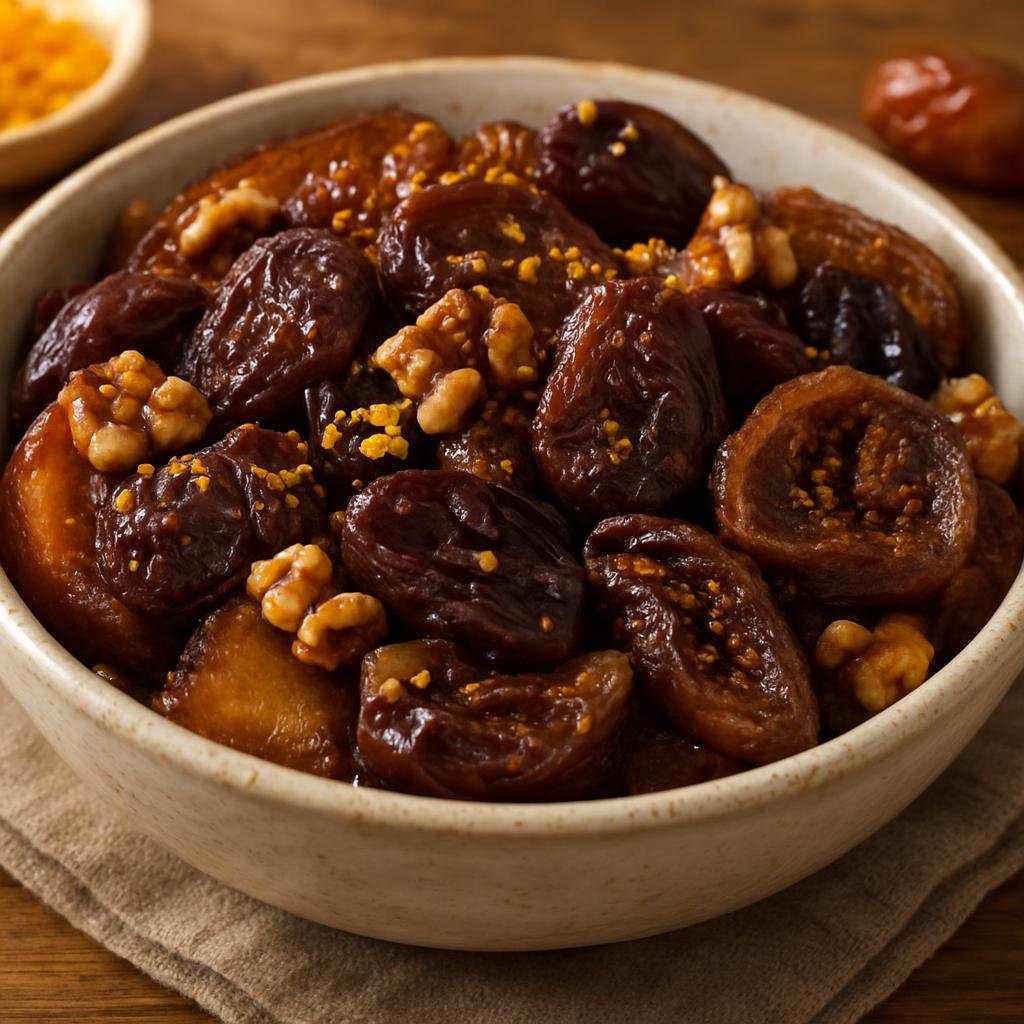
Serving Size: 8
Approximate Time
Prep
25 min
Cook
35 min
Additional
15 min
Total
1 hr 15 min
Ingredients
- 1 large bolillo loaf, day-old, about 14 oz (400 g), cut into 1/2 in (1 cm) slices
- 6 tbsp (85 g) unsalted butter, divided
- 1 cup (200 g) piloncillo, shaved or chopped (or dark brown sugar if unavailable)
- 3 cups (720 ml) water
- 2 cinnamon sticks
- 6 whole cloves
- 1 tbsp (6 g) finely grated orange zest (from about 1 medium orange)
- 1 tsp (5 ml) vanilla extract
- 1/4 tsp (1.5 g) salt
- 1 cup (170 g) chopped Medjool dates
- 1 cup (170 g) chopped dried figs
- 1/2 cup (60 g) toasted pecans, roughly chopped
- 1/2 cup (60 g) toasted sliced almonds
- 8 oz (225 g) queso fresco, crumbled
- 2 oz (55 g) queso añejo or aged queso, finely grated (optional, for salty contrast)
- Optional garnish: extra toasted nuts and a little additional orange zest
Instructions
Short Description:
A layered Mexican bread pudding built with toasted bolillo, a piloncillo-spiced syrup, local dried fruits (dates and figs), toasted nuts, and crumbled fresh cheese, finished with a bright touch of citrus zest. Served warm or at room temperature as a comforting dessert.

Regional Notes:
This Baja California Sur version emphasizes local dried fruits like dates and figs and uses toasted local nuts, reflecting regional produce and trade routes. A hint of local citrus zest (orange) brightens the traditional piloncillo-cinnamon syrup, distinguishing it from other regional capirotadas.

1. Preheat the oven to 350°F (175°C). Arrange the bolillo slices on a baking sheet, brush both sides lightly with 4 tbsp (55 g) of the butter, and toast in the oven 8–10 minutes, flipping once, until golden and dry; set aside. Meanwhile spread the pecans and almonds on a separate sheet and toast 6–8 minutes until fragrant; chop the pecans if large.
2. In a medium saucepan combine the piloncillo, water, cinnamon sticks, cloves, orange zest, and salt. Bring to a simmer over medium heat, stirring until the piloncillo dissolves. Reduce to low and simmer gently 20–25 minutes until slightly reduced and syrupy.
3. Remove the pan from heat; stir in the vanilla and the remaining 2 tbsp (30 g) butter until melted and incorporated. Taste and adjust sweetness or citrus if desired. Remove and discard cinnamon sticks and cloves (or leave them in and remove before serving).
4. Butter a 9x13 in (23x33 cm) baking dish lightly. Place a single layer of toasted bolillo slices in the bottom to cover the dish (break slices to fit).
5. Sprinkle about one-third of the chopped dates and one-third of the chopped figs evenly over the bread, then scatter one-third of the toasted nuts and about one-third of the crumbled queso fresco. Grate or sprinkle a little of the queso añejo over this layer if using.
6. Spoon about one-quarter of the warm piloncillo syrup evenly over the layer to moisten the bread (use more or less to achieve a moist but not soggy layer). Repeat layering (bread → dates/figs → nuts → cheese → syrup) two more times, finishing with a layer of cheese and nuts on top. Reserve a little extra syrup to drizzle when serving if desired.
7. Cover the dish loosely with foil and bake 20–25 minutes until the syrup is bubbling and the top is set. Remove foil for the last 5 minutes if you prefer the top slightly crisped.
8. Let the capirotada rest at least 15 minutes (up to 30) to absorb syrup and set. Serve warm or at room temperature, garnished with extra toasted nuts and a sprinkle of orange zest. Optionally serve with a scoop of vanilla ice cream or a drizzle of sweetened condensed milk for extra indulgence.